
Why Amboseli National Park Is a Must-Visit Kenya Safari Destination
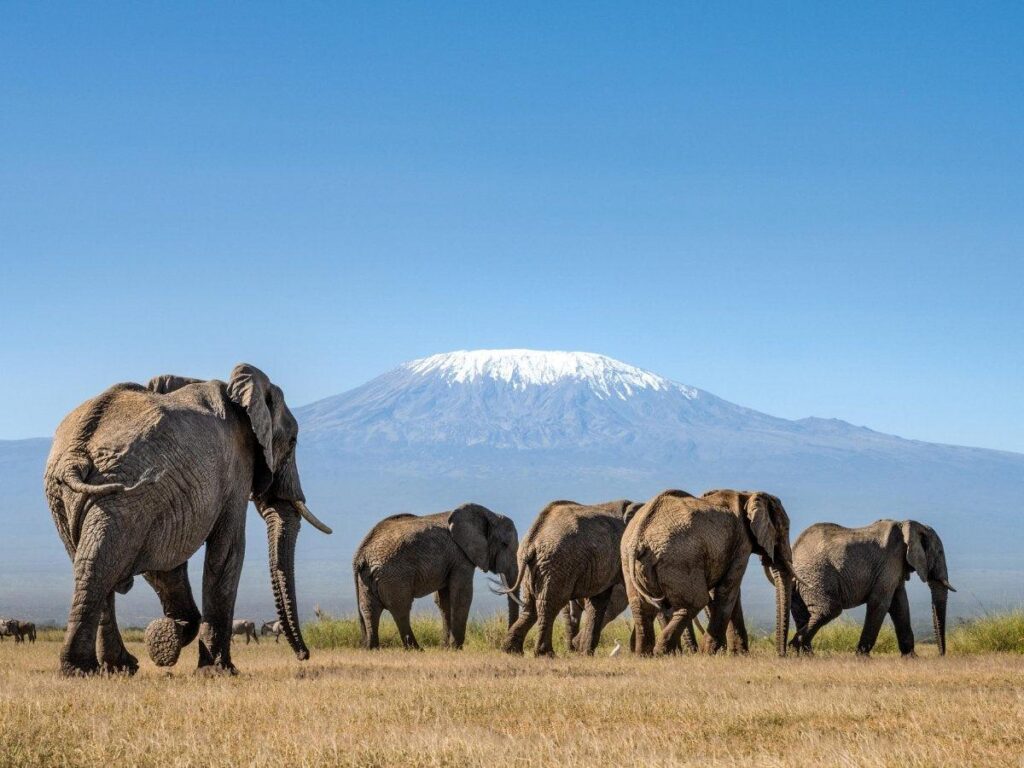
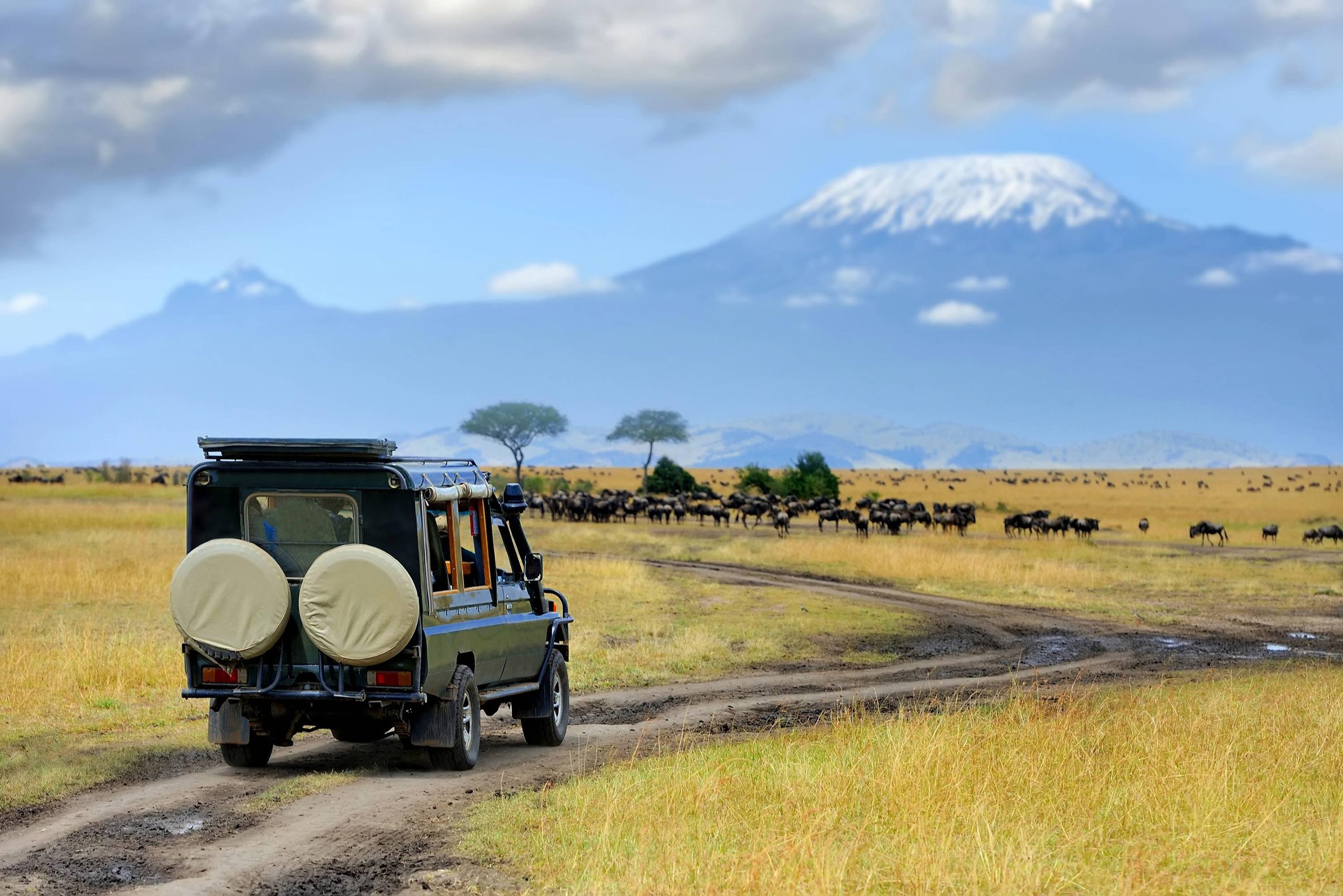
Amboseli National Park is one of Kenya’s most spectacular safari destinations, famous for its large elephant herds, breathtaking landscapes, and unforgettable views of Mount Kilimanjaro. Located in southern Kenya near the Tanzania border, the park offers a unique combination of wildlife, wetlands, open plains, and dramatic mountain scenery.
For travelers planning a Kenya safari, Amboseli is an excellent destination to include alongside the Masai Mara, Lake Nakuru, Tsavo East, and Tsavo West. Combining these parks allows you to experience different ecosystems and wildlife habitats in one memorable African adventure.
Why Visit Amboseli National Park?
One of the biggest attractions of Amboseli National Park is its remarkable elephant population. The park is internationally known for its elephants, including some individuals with exceptionally large tusks. The Amboseli Elephant Research Project has studied the park’s elephants for decades, making Amboseli an important location for elephant conservation and research.
Another unforgettable attraction is Mount Kilimanjaro. On clear mornings, the snow-capped mountain creates an extraordinary backdrop for wildlife photography. Imagine watching elephants cross the golden plains with Africa’s highest mountain rising behind them—this is one of the classic safari scenes that makes Amboseli so special.
For travelers interested in responsible tourism, the park also offers an opportunity to learn about wildlife conservation and the relationship between local communities and the surrounding ecosystem.
Wildlife in Amboseli National Park
Although elephants are the stars of the park, Amboseli National Park supports a wide variety of wildlife. Visitors may encounter lions, leopards, Cape buffaloes, giraffes, zebras, wildebeest, hyenas, hippos, and numerous antelope species.
Amboseli does not have a resident black rhino population, so it is not generally considered a Big Five destination in the same way as the Masai Mara. However, its exceptional elephant viewing and beautiful scenery make it an essential stop on many Kenya safari itineraries.
Bird enthusiasts will also find plenty to enjoy, particularly around the park’s wetlands and swamps.
Best Time to Visit Amboseli
The best time to visit Amboseli National Park depends on what you want to experience.
June to October is generally excellent for wildlife viewing because the dry conditions encourage animals to concentrate around permanent water sources and swamps. January and February can also provide good conditions.
The rainy periods can transform the landscape into beautiful green scenery and attract migratory birds. However, some roads can become muddy or difficult to navigate during heavy rainfall.
For the clearest views of Mount Kilimanjaro, early morning and late afternoon are usually the best times to look for the mountain because clouds often build around the summit later in the day.
How to Get to Amboseli from Nairobi
Amboseli is approximately 240 kilometres from Nairobi. By road, the journey generally takes around four to five hours, depending on traffic, road conditions, and the route used.
Travelers can also fly from Nairobi’s Wilson Airport to an airstrip serving the Amboseli area, making flying a convenient option for luxury safaris or travelers with limited time.
If you are planning a longer safari, traveling by road can be particularly rewarding because you can combine Amboseli with other destinations along your route.
Combining Amboseli with Other Kenya Safari Destinations
A major advantage of visiting Amboseli National Park is that it can easily form part of a longer Kenya safari.
Masai Mara and Amboseli Safari
Combining the Masai Mara and Amboseli gives you two completely different wildlife experiences. The Masai Mara is renowned for its Big Five and the Great Wildebeest Migration, while Amboseli is famous for elephants and Mount Kilimanjaro.
Lake Nakuru and Amboseli Safari
Lake Nakuru National Park is an excellent addition for travelers interested in rhinos, birdlife, and Rift Valley scenery. Adding Amboseli creates a diverse itinerary combining lakes, savannahs, elephants, and mountain views.
Tsavo East and Amboseli Safari
Combining Amboseli with Tsavo East National Park offers an exciting journey through different landscapes. Tsavo East is famous for its vast wilderness, elephants, lions, and distinctive red-soil landscapes.
Tsavo West and Amboseli Safari
Tsavo West National Park adds another dimension to your adventure, with volcanic landscapes, springs, rugged scenery, and diverse wildlife. You can also combine Tsavo West with Tsavo East and Amboseli for an extensive southern Kenya safari.
For more ideas, explore Nzanzu Holidays’ Kenya safari packages and discover itineraries that combine these incredible destinations.
Frequently Asked Questions About Amboseli National Park
1. What is Amboseli National Park most famous for?
Amboseli National Park is best known for its large elephant herds and spectacular views of Mount Kilimanjaro. The combination of elephants, open plains, wetlands, and the mountain backdrop creates some of Kenya’s most iconic safari photography opportunities.
2. Can I see all of the Big Five in Amboseli?
No. Amboseli is not known for having all of the Big Five. Elephants, lions, buffaloes, and leopards can be found in the ecosystem, but black rhinos are absent from the park. If seeing all of the Big Five is a priority, consider combining Amboseli with the Masai Mara, which provides a stronger Big Five safari experience.
3. When is the best time to see Mount Kilimanjaro clearly?
Early morning is usually the best time to look for clear views of Mount Kilimanjaro. Late afternoon can also provide good opportunities. Clouds frequently gather around the mountain during the middle of the day, so early game drives are particularly rewarding for photographers.
4. How much does it cost to enter Amboseli National Park?
Park fees can change, so travelers should always check the latest official rates before traveling. Kenya Wildlife Service manages the park, and current information can be checked through the Kenya Wildlife Service website.
For the latest information about entering Kenya, travelers should also check the official eTA Kenya portal before their journey.
5. When is the best time of year for an Amboseli safari?
The dry months, particularly June to October and January to February, are generally favorable for wildlife viewing. During rainy periods, the landscape becomes greener and birdlife can be excellent, although some roads may become challenging after heavy rain.
6. How do I get to Amboseli from Nairobi?
You can reach Amboseli by road from Nairobi in approximately four to five hours, depending on conditions. Alternatively, domestic flights from Wilson Airport provide a faster option.
7. What are the key park rules?
Visitors should follow Kenya Wildlife Service regulations to protect wildlife and the environment. Important principles include staying inside the vehicle except in designated areas, remaining on authorized roads, avoiding off-road driving, maintaining a safe distance from animals, and respecting speed restrictions.
Single-use plastic restrictions also apply in protected areas. Following these rules helps preserve Amboseli National Park for future generations.
Plan Your Amboseli Safari with Nzanzu Holidays
An Amboseli National Park safari offers much more than a wildlife drive. It is an opportunity to experience magnificent elephants, spectacular African landscapes, fascinating birdlife, and unforgettable views of Mount Kilimanjaro.
Whether you want a short Amboseli adventure or a longer itinerary combining Masai Mara, Lake Nakuru, Tsavo East, and Tsavo West, Nzanzu Holidays can help you plan a memorable Kenya safari around your preferred travel style.
Ready to explore Amboseli? Contact Nzanzu Holidays and start planning your unforgettable Kenya safari.