The Masai Mara National Reserve, often referred to as the Masai Mara, ranks among Africa’s most celebrated wildlife destinations. Located in southwestern Kenya, this expansive savanna landscape delivers dramatic scenery, exceptional wildlife encounters, and meaningful cultural interactions with the Maasai community. From the spectacle of the Great Migration to reliable sightings of the Big Five, the Mara offers a truly memorable safari experience.
Why the Maasai Mara Stands Out
Several factors contribute to the reserve’s global renown:
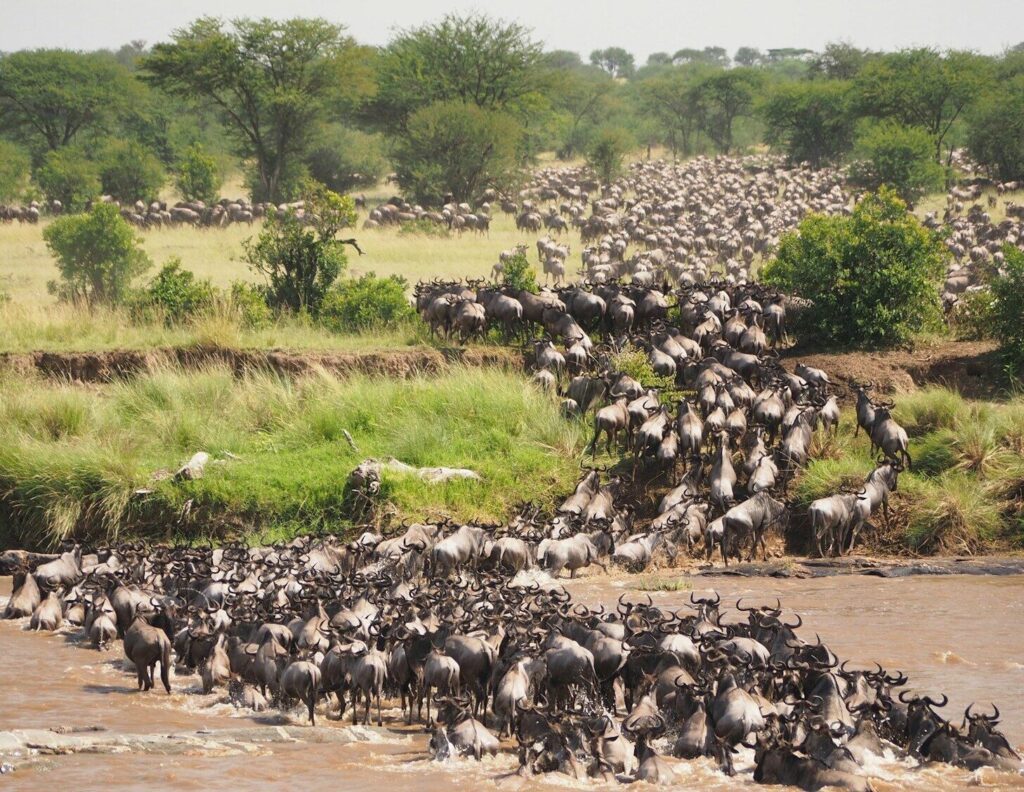
- The Great Wildebeest Migration: Between July and October each year, more than 1.5 million wildebeest, accompanied by zebras and gazelles, move from Tanzania’s Serengeti into the Mara. The resulting river crossings, often contested by crocodiles, rank among nature’s most impressive events.
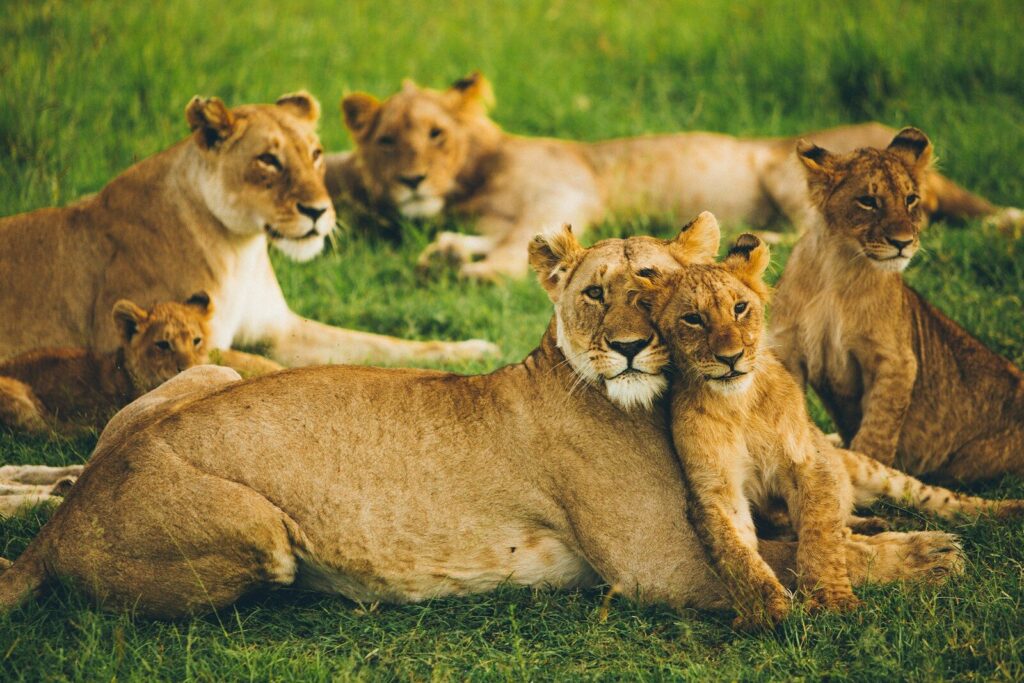
- Rich Wildlife Populations: The reserve supports the Big Five—lion, leopard, elephant, rhinoceros, and buffalo—alongside cheetahs, hyenas, giraffes, and more than 95 mammal species and 550 bird species.
- Varied Habitats: Open plains, acacia woodlands, and the Mara River create a diverse ecosystem that sustains high biodiversity.
- Cultural Connections: Visitors can engage with Maasai communities to learn about their traditions and way of life.
- Conservation Focus: The reserve and neighboring conservancies help safeguard essential wildlife corridors.
Recognized as one of the Seven Natural Wonders of Africa, the Maasai Mara continues to attract travelers from around the world.
Spelling: Maasai Mara or Masai Mara?
Both versions appear in common usage. “Maasai Mara National Reserve” (with the double “a”) is the preferred and more accurate form, as it properly reflects the name of the indigenous Maasai people, who speak the Maa language. “Masai Mara” stems from earlier colonial spelling conventions but is less culturally precise.
Masai Mara National Reserve Entry Fees 2026 (Non-Residents)
Fees are administered by Narok County and differ by season:
- Low Season (1 January – 30 June 2026): USD 100 per adult per day; USD 50 per child (ages 9–17). Children under 8–9 generally enter free.
- High/Peak Season (1 July – 31 December 2026): USD 200 per adult per day. Child rates are typically USD 50, though some sources indicate a possible increase to USD 100—confirm current figures with your operator.
Fees apply per 24-hour period but are subject to the reserve’s 12-hour rule (detailed below). Payment is usually made through official channels or at the gates. Kenyan residents and citizens pay substantially lower rates in Kenyan shillings.
Understanding the 12-Hour Rule
Unlike many other Kenyan parks that offer 24-hour ticket validity, the Maasai Mara applies a strict 12-hour rule. Entry tickets are valid only from approximately 6:30 a.m. to 6:30 p.m. on the same calendar day, irrespective of the time of purchase.
For example, arriving at 3 p.m. still means the ticket expires at 6:30 p.m. that day. This policy helps manage visitor numbers and supports conservation efforts. Guests staying overnight within the reserve are generally covered for the duration of their stay, though departure by around 10 a.m. the following morning is expected unless a new ticket is purchased. Always verify details with your lodge or guide. Early-morning and late-afternoon game drives typically provide the best viewing opportunities.
Cost of a 3-Day Safari in the Masai Mara
A typical 3-day/2-night package (including transport from Nairobi, accommodation, meals, and game drives) varies according to season, group size, and standard of lodging:
- Budget / Shared Group Safaris: Approximately USD 430–850 per person in low season; USD 700–1,100+ in peak season.
- Mid-Range: USD 800–1,800+ per person.
- Luxury: USD 2,000–4,500+ per person for high-end camps and private vehicles.
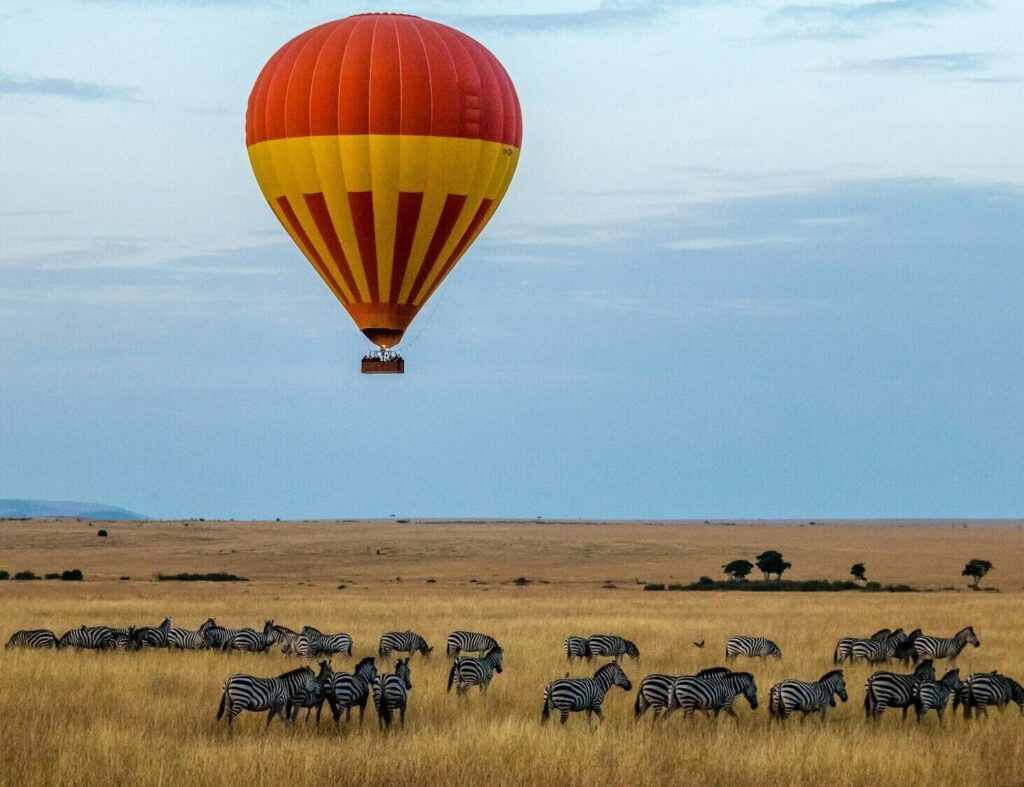
Park fees constitute a notable portion of the total, especially during peak season (potentially around USD 600 for three days per adult). Private safaris command higher rates but offer greater flexibility and reduced crowding. Most packages include full-board accommodation; optional extras such as hot-air balloon flights (around USD 430) or cultural visits are usually charged separately.
Appropriate Attire for the Masai Mara
Shorts are acceptable during warmer daytime hours. Practical recommendations include:
- Choose neutral tones such as khaki, beige or olive to minimize disturbance to wildlife.
- Lightweight long trousers offer better protection against sun, insects, thorns, and cooler temperatures in the early morning and evening.
- Layer clothing, as temperatures can drop significantly outside peak daylight hours.
- When visiting Masai villages, dress modestly out of cultural respect.
- Wear comfortable closed shoes or boots suitable for game drives and short walks.
- Opt for breathable fabrics and pack a light jacket or fleece.
Planning Your Visit
The Masai Mara combines expansive golden plains, dynamic wildlife activity, and genuine Kenyan hospitality. Whether you choose a modest or luxurious itinerary, the experience tends to create lasting memories.
For a 2026 visit—particularly during migration season—book well in advance with a reputable operator. Flights into Nairobi (NBO) or directly to Mara airstrips offer convenient access.
All fees and operational details reflect information available at the time of writing for 2026. Always cross-check the latest requirements with official sources or your safari provider.
Frequently Asked Questions
When is the best time to visit the Maasai Mara?
July to October for the Great Migration and highest wildlife densities. January to March provides excellent game viewing with fewer visitors and more favorable rates.
How many days should I spend in the Maasai Mara?
A minimum of three days (two nights) allows for several game drives and an appreciation of the landscape. Four to five days is ideal for a more relaxed and thorough experience.
Is the Masai Mara safe?
Yes, when traveling with established operators. Follow your guide’s instructions, remain in vehicles during game drives, and rely on lodge security measures.
Do I need a visa for Kenya?
Most nationalities can obtain an e-Visa online in advance. Verify the current requirements applicable to your passport.
What should I pack for a Masai Mara safari?
Binoculars, a camera with a zoom lens, sunscreen, a hat, insect repellent, layered neutral-colored clothing, and a reusable water bottle.